
10 Reasons Why Creative Students Should Consider a Career in Design
For decades, careers like engineering, medicine, and law dominated conversations about success. But today’s world is different. Companies are no longer competing only on products or services—they’re competing on innovation, user experience, storytelling, and creativity.
That’s where designers come in.
From the apps we use every day to the products we buy, the clothes we wear, and even the spaces we live in, design shapes almost every aspect of our lives. As businesses continue to evolve, the demand for creative professionals has never been higher.
If you’re a student who enjoys sketching, solving problems, thinking differently, or simply seeing the world from a unique perspective, a career in design could be the perfect fit. Here are ten reasons why more creative students are choosing design as their career path.
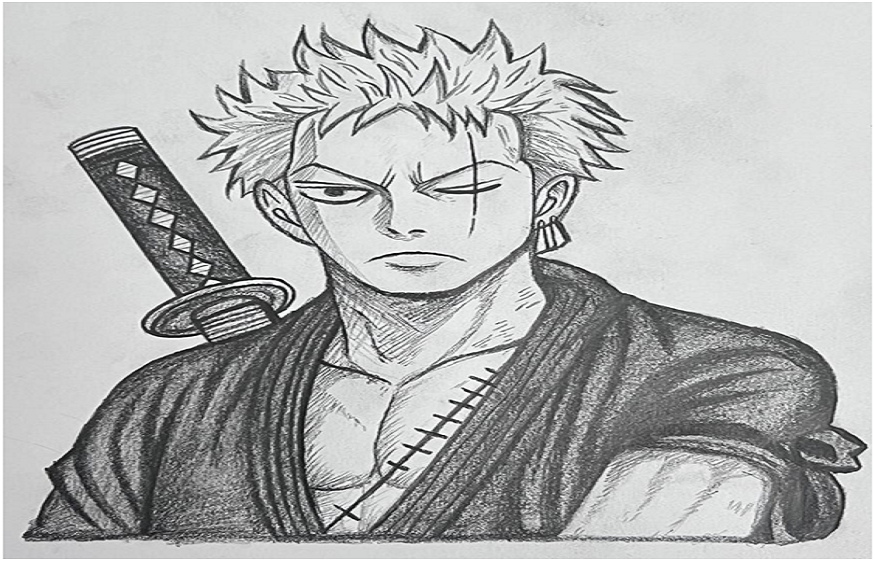
Source: Mad school student works
1. Creativity Has Become a Valuable Professional Skill
For years, creativity was considered a talent or a hobby. Today, it’s one of the most sought-after skills in the workplace.
Read More: HOW CSR CAN BRIDGE INDIA’S GIRL EDUCATION GAP
Businesses are constantly looking for fresh ideas to improve products, create memorable brands, and deliver better customer experiences. Designers play a key role in making this happen by combining creativity with practical problem-solving.
If you’re someone who enjoys imagining new possibilities, design gives you the opportunity to turn those ideas into real-world solutions.
2. Design Offers a Wide Variety of Career Options
One of the biggest advantages of studying design is the range of career opportunities available.
Depending on your interests, you could pursue careers in:
- Product Design
- User Experience (UX) Design
- User Interface (UI) Design
- Graphic Design
- Communication Design
- Animation and Motion Graphics
- Fashion Design
- Interior Design
- Industrial Design
- Game Design
- Exhibition Design
- Service Design
This diversity means you’re not limited to a single industry. Designers are needed in technology, healthcare, education, entertainment, retail, manufacturing, hospitality, and many other sectors.
3. Designers Solve Real Problems
Design is much more than creating attractive visuals.
Every design project begins with a question:
- How can we improve this product?
- How can we make this app easier to use?
- How can this space become more functional?
- How can we create a better experience for customers?
Designers spend their time understanding people’s needs and finding practical, creative solutions.
If you enjoy solving puzzles and thinking critically, you’ll likely enjoy the design process.
Related: What is the future of the design industry?
4. Technology Is Creating More Opportunities for Designers
The rapid growth of digital technology has increased the need for skilled designers.
Every website, mobile application, software platform, wearable device, and smart product requires thoughtful design before it reaches users.
Emerging fields like virtual reality, augmented reality, artificial intelligence, and immersive experiences are creating entirely new career paths for designers.
Rather than replacing designers, technology is expanding the ways they can contribute.
5. Design Careers Encourage Continuous Learning
The design industry evolves quickly.
New software, trends, technologies, and consumer behaviours mean designers are always learning something new.
Read More: HOW FINANCE AND INSURANCE MANAGERS MAKE OR BREAK A DEALERSHIP’S SUCCESS
For students who enjoy exploring ideas and adapting to change, this keeps the profession exciting throughout their careers.
No two projects are ever exactly alike.
6. You Can Work Almost Anywhere
Design skills are highly transferable.
Many designers work in:
- Design studios
- Advertising agencies
- Technology companies
- Startups
- Fashion houses
- Architecture firms
- Manufacturing companies
- Media organisations
Others choose to freelance, consult independently, or even work remotely with international clients.
The flexibility offered by design careers makes them appealing to many young professionals.
7. Entrepreneurship Is a Natural Progression
Many designers eventually build businesses of their own.
Some launch creative agencies, branding consultancies, fashion labels, interior design firms, or product-based startups. Others become freelance professionals serving clients from around the world.
A strong design education not only teaches creative skills but also develops communication, research, presentation, and problem-solving abilities—valuable qualities for entrepreneurship.
8. AI Makes Designers More Powerful, Not Less Important
Artificial intelligence has become an important tool in many creative industries.
While AI can assist with brainstorming ideas or speeding up repetitive tasks, it still relies on human direction, creativity, and decision-making.
Successful designers understand users, interpret emotions, identify business challenges, and create meaningful experiences—qualities that technology alone cannot replicate.
Students who learn to combine design thinking with AI tools are likely to be well-positioned for the future.
9. Design Careers Offer Global Opportunities
Design is one of the few professions where your portfolio often speaks louder than your location.
Talented designers regularly collaborate with companies across different countries, participate in international projects, and build careers that span multiple industries.
Remote work has also made global opportunities more accessible than ever before.
Whether you choose employment, freelancing, or entrepreneurship, design skills are recognised around the world.
10. You Get to Make a Real Difference
One of the most rewarding aspects of design is knowing that your work improves people’s lives.
A designer might create an app that helps elderly users navigate healthcare, design sustainable packaging that reduces waste, develop educational products for children, or create public spaces that are more inclusive and accessible.
Good design solves problems, improves experiences, and creates positive change.
For many professionals, that sense of purpose is just as valuable as financial success.
Is Design the Right Career for You?
You don’t have to be the best artist in your class to become a successful designer.
Instead, ask yourself these questions:
- Do you enjoy observing how things work?
- Are you naturally curious?
- Do you like solving problems?
- Can you think of multiple solutions to a challenge?
- Do you enjoy creating something original?
- Are you open to learning new skills and technologies?
If your answer is “yes” to most of these questions, design may be worth exploring.
Final Thoughts
The future belongs to people who can combine creativity with critical thinking, technology, and empathy. As industries continue to evolve, designers will play an increasingly important role in shaping products, services, digital experiences, and sustainable solutions.
For creative students, design isn’t just another career option—it’s an opportunity to turn imagination into impact.
Students interested in pursuing design as a profession should begin exploring the different specialisations early and prepare for entrance exams conducted by leading design institutions. Structured guidance from experienced coaching institutes such as MAD School can help aspiring designers build creative confidence, strengthen their portfolios, and prepare effectively for exams like NID, NIFT, UCEED, CEED, and NATA.
| Nift Situation test coaching in hyderabad | NIFT Coaching Online |
| NID Studio test coaching in hyderabad, chennai and kerala | UCEED Coaching online |
By investing in the right skills today, creative students can build rewarding careers in one of the world’s fastest-growing industries.